Advanced Diploma in AI Applied to Oncology

Why specialize in Artificial Intelligence?

Over the next three years, the industry will require more than 90,000 professionals with expertise in data science and artificial intelligence.

Artificial Intelligence has become an essential tool in the field of oncology, enabling:

  • Format: online
  • Duration: 20 weeks / 100 hours
  • Start date: 01/12/2025
  • Price: 1.840 € (discounts for CEB alumni)

Limited spaces – reserve yours as soon as possible!

Request for information

STEP BY STEP

Why study AI applied to Oncology?

Studying an advanced diploma around Artificial Intelligence (AI) and seeing its application in oncology will allow you to:

Revolution in diagnosis and treatment

Revolution in diagnosis and treatment
Revolution in early cancer detection

Artificial intelligence is transforming oncology by improving the accuracy of early tumor detection, both through advanced analysis of medical images, such as mammograms, ultrasound scans, CT scans and MRI scans, and through the accurate identification and interpretation of biomarkers. Thanks to AI, it is possible to identify subtle patterns that might go unnoticed by the human eye, significantly increasing early detection rates.

Optimization of biomedical research

Optimization of biomedical research
Personalization of cancer treatments
AI allows the analysis of large volumes of clinical, genetic and molecular data to design personalized treatments, adapted to the genetic and molecular profile of each patient. This helps to optimize therapies, reducing side effects and improving treatment efficacy and thus life expectancy and quality of life.

Optimization of clinical decision making

Optimizing clinical decision making
AI algorithms facilitate the interpretation of complex oncology data, providing healthcare professionals with evidence-based decision support tools. This translates into more accurate diagnoses that enable molecular subclassification of tumors, more effective treatment plans based on personalized medicine, and improved resource and time management.

Accelerating research in oncology

Accelerating oncology research
Artificial intelligence enables the analysis and correlation of large biomedical databases and biobanks, accelerating the discovery of new biomarkers and the development of new therapeutic strategies. In addition, AI contributes to the identification of patterns in clinical trial data, helping to predict responses with greater accuracy.

Un campo con alta demanda y proyección profesional

A field with high demand and professional projection
The combination of AI and oncology is booming, generating a high demand for professionals capable of integrating these technologies into clinical and research practice. Training in this field offers a competitive advantage in the labor market and the opportunity to contribute to the improvement of oncology care at a global level.

MISSION

What you will learn

  • Explore the impact of AI on cancer detection and diagnosis, understanding how advanced image analysis techniques and clinical data can improve the accuracy and early detection of cancer.
  • To understand the personalization of treatments through AI, analyzing how predictive models can optimize therapeutic decisions and improve the patient’s quality of life.
  • Learn to apply clinical and molecular data analysis techniques, using AI tools to identify patterns, biomarkers and trends that facilitate data-driven medical decision making.
  • Implement AI solutions in clinical and oncology research environments, optimizing data management, process automation and clinical trial analysis to improve efficiency.
  • Develop skills in biomedical data preprocessing and modeling, applying machine learning and deep learning algorithms to address specific challenges in oncology, such as relapse prediction or molecular subclassification of tumors.

Our Experts

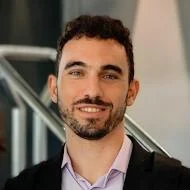
These modules are taught by prestigious experts in the application of AI to oncology. Among them, we would like to highlight: Fernando Martín, PhD in Computer Science and Medicine, Deputy Manager of Medical Informatics, Digital Strategy and Innovation at La Paz University Hospital; Jesús García Foncillas, MD, specialist in Medical Oncology, Director of the Translational Oncology Division at the FJD-UAM Health Research Institute; Nuria Malats, Head of the Genetic and Molecular Epidemiology Group at the Spanish National Cancer Research Center; Manuel Rodríguez Justo, specialist in Gastrointestinal Pathology and Hematopathology at UCLH and Professor of Pathology at the UCL Cancer Institute.

EDUARDO CASTAÑÓN

EDUARDO CASTAÑÓN EDUARDO CASTAÑÓN
Specialist in Medical Oncology, Clínica Universidad de Navarra.

FERNANDO MARTÍN SÁNCHEZ

FERNANDO MARTÍN SÁNCHEZ
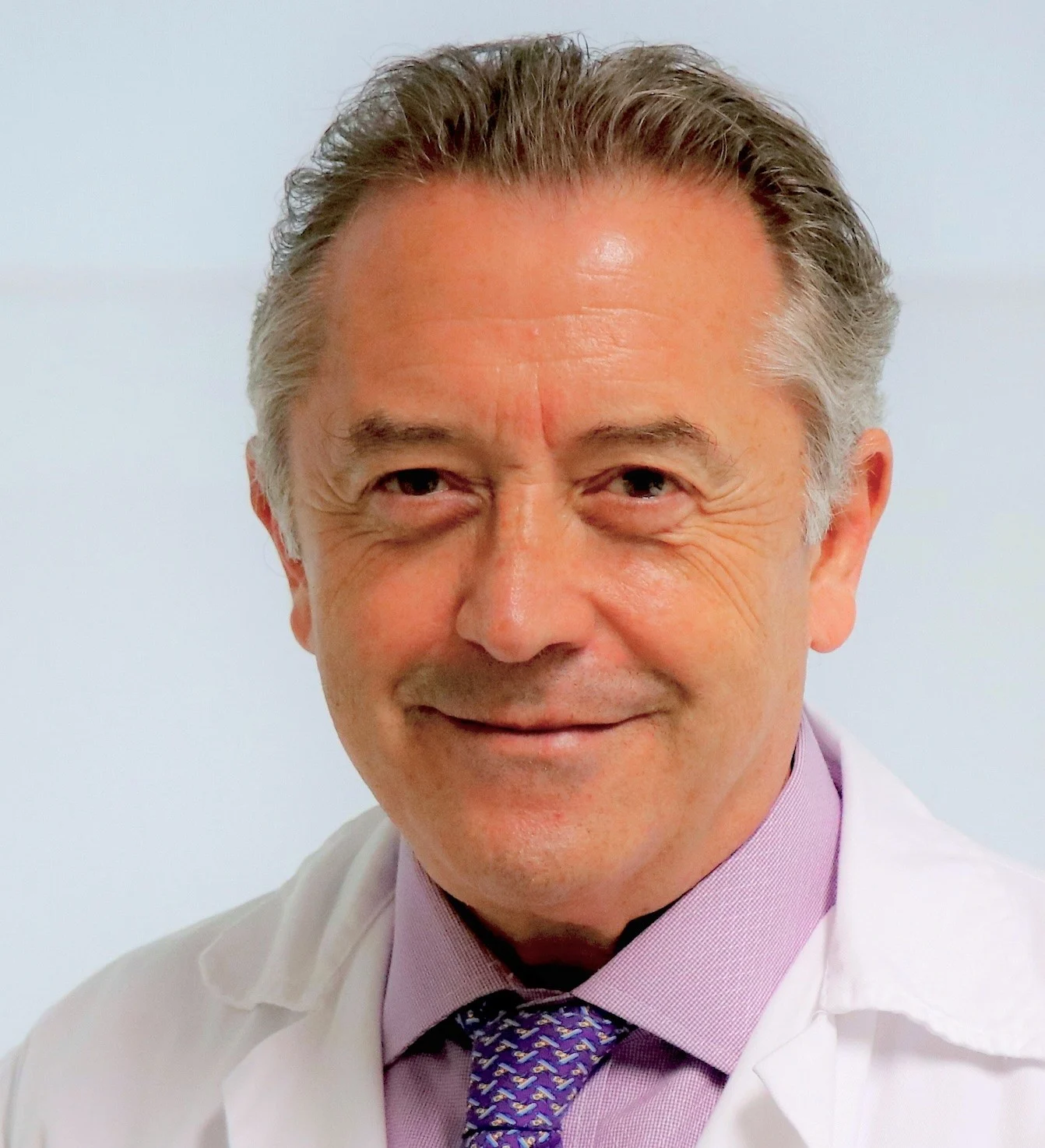
Deputy Manager of Medical Informatics, Digital Strategy and Innovation at Hospital Universitario La Paz, Madrid.

JESÚS GARCÍA FONCILLAS

JESÚS GARCÍA FONCILLAS JESÚS GARCÍA FONCILLAS
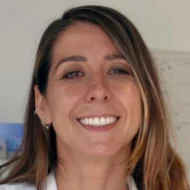
Director of the Oncology Institute “OncoHealth”.

CRISTINA HERNANDO MELIÁ

CRISTINA HERNANDO MELIÁ CRISTINA HERNANDO MELIÁ
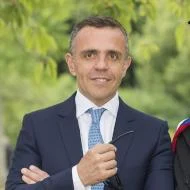
Medical Oncology Specialist, Breast Cancer Unit, Instituto Valenciano de Oncología (IVO).

MANUEL RODRÍGUEZ JUSTO

MANUEL RODRÍGUEZ JUSTO MANUEL RODRÍGUEZ JUSTO

Specialist in gastrointestinal pathology and hematopathology at UCLH and professor of pathology at UCL-Cancer Institute.

NURIA MALATS

NURIA MALATS NURIA MALATS
Head of the Genetic and Molecular Epidemiology Group, Centro Nacional de Investigaciones Oncológicas.

ÓSCAR PELLICER

ÓSCAR PELLICER ÓSCAR PELLICER
Professor and Researcher at the University of Valencia (UV)

LUIS MARTÍ BONMATÍ

LUIS MARTÍ BONMATÍ LUIS MARTÍ BONMATÍ
Bachelor and Doctor in Medicine and specialist in radiology.

Centro de Estudios Biosanitarios S.L.

https://ceb.edu.es/

+34 619 769 634

info@ceb.edu.es

Logo Experimentación Animal